Glossary
Partner Passport
Before including a guesthouse, guide or workshop in a programme, a tourism team needs to know what it offers, which conditions apply and what has actually been agreed.
Tamaga uses Partner Passport for a maintained tourism-partner record that keeps public information, private working context, supporting sources and suitability for a particular visit together.
It preserves the basis for considering a partner and helps the next person understand the conditions behind that choice.
What it keeps together
The record connects:
- The partner and service: who the organization or person is, their role and the service being considered.
- Public information and permissions: descriptions, photographs and other material that may be published or reused, with the conditions attached.
- Working context: quotations, correspondence, proposed arrangements, unresolved questions and who can confirm them.
- Suitability and its basis: relevant access, timing, language or group requirements, alongside the sources, dates and limitations supporting the assessment.
Public descriptions and private working notes can concern the same partner while serving different readers. Keep their intended use clear.
A tourism example
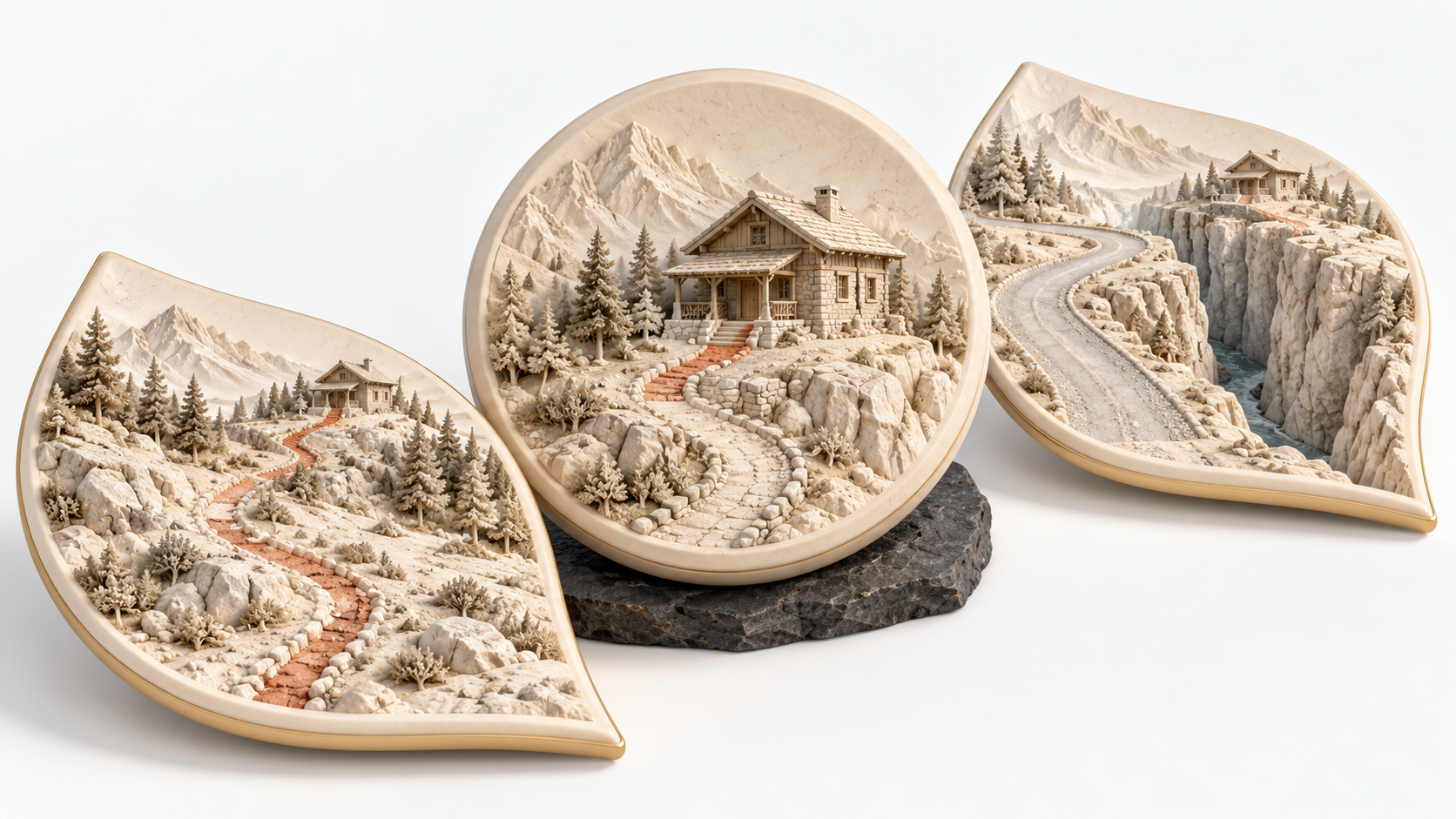
Consider a fictional guesthouse reached by a footpath, with no direct road access.
Its record retains the access description and its supporting information. It explains why the house was considered for a walking itinerary and left out of a programme requiring vehicle access to the entrance.
That decision concerns the particular programme. It does not establish the partner’s suitability for every journey, or confirm availability for a particular stay.
A public guide can explain the approach accurately while negotiated terms and internal correspondence remain private. A newsletter can introduce the walking itinerary and lead readers to the maintained guide for the practical details.
The existing illustration shows this relationship between the partner, the route and the access conditions.
Keep the record useful
A short document or structured record can be enough to begin. Retain who maintains it, when consequential details were checked and what should prompt another review.
When information changes, record the correction and its reason. Review the descriptions or programmes that used the earlier information.
A research lead, an assessment of suitability and an agreed arrangement should remain distinguishable as the relationship develops.
Choose the next step
To assess what a source or partner’s statement supports, use Source Confidence.
To investigate which partner possibilities deserve closer attention, start with Tourism market intelligence.
When recurring partner arrangements need to connect with programmes, documents and staff responsibilities, Travel operations backends explains that implementation work.