Systems / Proof-led newsrooms
Make your tourism stories easy to check and use.
A journalist needs the source behind your announcement. A partner needs a photograph with clear permission to reuse it. A traveller wants to understand what the story means for their visit.
Your team may already hold that knowledge across programme documents, conversations, photographs and published pages. A proof-led newsroom brings the story together with the material people need to use it responsibly.
Tamaga helps tourism organizations organize that material into a publishing structure an editor can maintain.
Begin with the stories your organization can support
A destination can explain what changes between seasons. An operator can reveal the knowledge behind a journey. A cultural route can introduce the people and places that connect its stages. An accommodation can document its setting, practices and visiting conditions.
Choose the subjects where your experience answers a real audience question. Give each story a clear purpose: explain a development, help someone understand a place, support a practical choice or provide material for further reporting.
A newsroom gives those stories a home alongside their sources, relevant media and a useful next step.
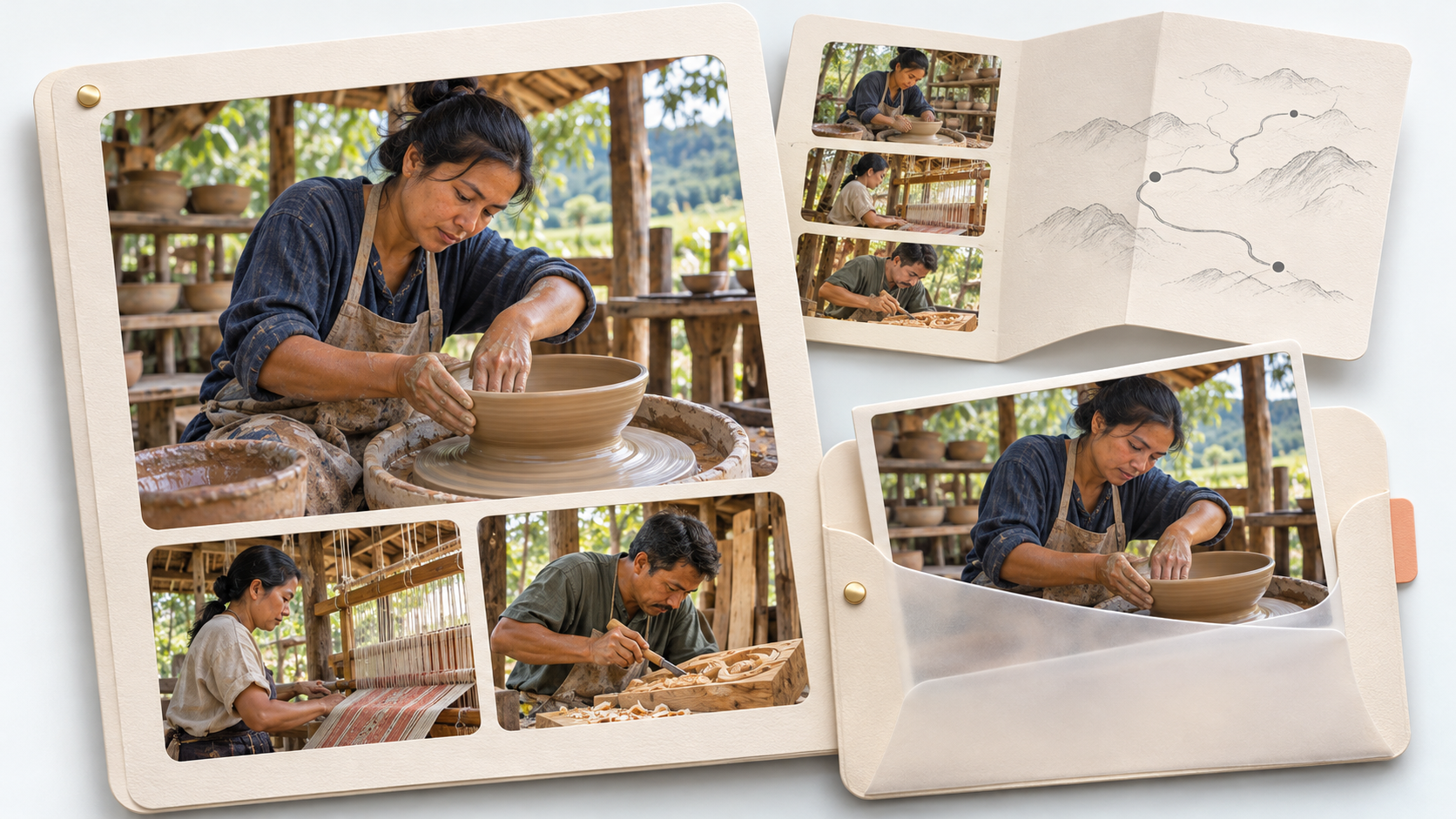
Story: three craft workshops.
Source programme: the participating workshops and route.
Media packet: a reusable photograph, with its credit and permitted use recorded separately.
Illustrative fictional example; retain the correction contact with the published material.
What makes a story usable
Consider a fictional cultural route introducing weekend visits to three craft workshops. The announcement explains what is new and why the workshops belong together. Its supporting material answers the questions that follow.
| Material | What it helps someone do |
|---|---|
| Programme facts and source | Check which workshops participate, when visits run and what requires a reservation. |
| Named contributors | Understand who supplied an explanation and whom to contact for further reporting. |
| Photographs and captions | Identify what an image shows, its creator, required credit and permitted uses. |
| Practical continuation | Reach the maintained programme or visiting information before making arrangements. |
| Dates and correction contact | Understand when the material applies and report something that needs attention. |
Keep public material separate from private notes, personal contact details and material awaiting permission.
Where the evidence leaves an important question unresolved, assess what the sources support before strengthening the wording.
Adapt the story for each encounter
The website can hold the complete story, sources and practical continuation. An email might introduce one maker’s contribution and lead readers to that fuller account. A short video can show a technique, carrying the relevant credit and a route back to the programme.
Each version should earn attention in its own format while preserving the conditions that make its wording accurate. Choose the channels your audience uses and a publishing rhythm your team can sustain.
When readers need another answer, connect it where the question arises. Someone discovering the workshops may next need visiting arrangements; a journalist may need the media kit. Topical Mesh explains how to organize these different continuations.
Keep publication and maintenance together
One editor can maintain a newsroom while identifying who can confirm programme details, approve a quotation or establish an image’s permitted use.
When arrangements change, review the current information and the stories that depend on it. A dated announcement remains a record of what was announced; an update can explain the change and direct readers to the current details. A Claim Ledger helps keep consequential statements connected with their sources and uses.
Use enquiries and available website data to improve the structure. If journalists repeatedly request a caption already in the media kit, review its placement and label. If readers discover a programme but cannot find visiting arrangements, improve that continuation.
What we would organize together
Start with your existing publications, source documents, media and recurring requests. Agree what needs to become public, what remains private and who maintains it.
Depending on that scope, the work can include:
- A newsroom structure with clear roles for announcements, stories and reference material.
- Publishing templates that retain authorship, sources, relevant dates and corrections.
- A media kit with captions, credits, usage terms and appropriate contacts.
- A public Source Room explaining evidence boundaries and editorial policies.
- A manageable process for reviewing material, translations and updates.
The organization supplies and approves its facts, contributions and permissions. Tamaga helps structure the records, publishing surfaces and maintenance process around them.
Inspect Tamaga’s own publishing structure
Tamaga’s Newsroom shows articles, reading routes, research material and dated corrections. The Source Room explains our source policy, media usage and the boundaries of fictional demonstration evidence.
Together, they provide an example you can inspect when considering what your organization needs.
Bring one story and the material behind it
Share an announcement or article, its supporting documents, the media you want to use and the questions people keep asking. We can discuss what belongs together and a practical first improvement.